Market Analysis: A Growing Niche for Sustainable Toys
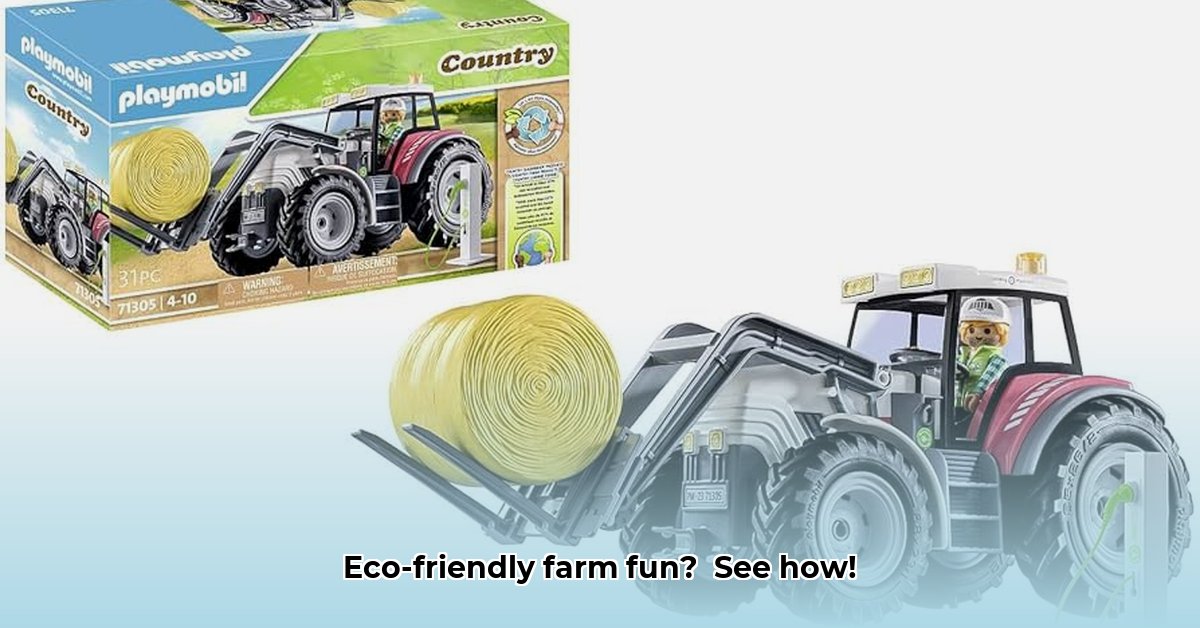
The Playmobil tractor and trailer set represents a compelling intersection of children's play and growing environmental awareness. This set, boasting over 80% sustainable materials, taps into the increasing demand for eco-conscious toys. Its realistic farm theme encourages imaginative play and subtly introduces STEM concepts (Science, Technology, Engineering, and Math). However, the success of this product hinges on several factors. Will the farm theme appeal broadly enough? Are the materials genuinely sustainable and scalable? And how will it fare against robust competition in the children's toy market? For more on sustainable farming equipment, check out this tractor with trailer.
“The toy industry is experiencing a significant shift towards sustainability,” says Dr. Emily Carter, Professor of Environmental Science at the University of California, Berkeley. “Parents are increasingly demanding eco-friendly options, and Playmobil’s move in this direction is a smart strategic response.” The rising importance of sustainability in toy production is undeniable, creating a fertile market niche for innovative solutions such as the Playmobil tractor and trailer.
Key Advantages:
- Eco-Friendly Materials: A significant percentage of sustainable materials is a major selling point for environmentally conscious parents.
- STEM Learning: The realistic farm theme promotes imaginative play and indirectly teaches STEM concepts.
- Engaging Play: The detailed set fosters creative storytelling and role-playing, providing hours of entertainment.
Key Challenges:
- Niche Appeal: The farm theme may limit the toy's broad appeal compared to more general-purpose playsets.
- Competition: The crowded toy market presents ongoing challenges for maintaining market share.
- Material Sustainability Verification: Full disclosure of the sourcing and composition of materials is crucial for maintaining consumer trust.
Future Projections: Expanding the Eco-Friendly Farm World
Playmobil could significantly expand the market potential of this set by developing a comprehensive eco-friendly farm series. Imagine a complete ecosystem of sustainable farm playsets, each reinforcing lessons about responsible resource management. This strategic expansion requires a continued commitment to using sustainable materials and transparently communicating their sourcing. Collaboration with educational institutions could further enhance the educational value and increase market penetration.
“The potential for expansive growth in the eco-friendly toy market is enormous,” observes Mr. David Miller, CEO of Green Toys, a leading manufacturer of sustainable toys. “Playmobil’s focus on this segment places them at the forefront of this important trend.” The long-term success of the Playmobil farm series depends strongly on its ability to meet this growing demand effectively.
Actionable Insights: A Multi-Stakeholder Approach
The success of the Playmobil tractor and trailer hinges on a collaborative approach between various stakeholders.
1. Playmobil: Immediate actions should include a meticulous analysis of sales data and thorough customer feedback to optimize product positioning and future development. Long-term strategies should concentrate on R&D for innovative eco-friendly material sources and partnerships with educational organizations.
2. Parents/Consumers: A thorough evaluation of the toy's overall educational value, durability, and environmental impact is essential before purchasing. Parents can prioritize selecting sustainable brands and toys with long-lasting play value.
3. Retailers: Optimizing visibility and highlighting the eco-friendly aspects of the toy will be key to maximizing sales conversion. This could involve placing the product near educational materials or creating themed displays promoting sustainable choices.
Addressing Potential Risks: Proactive Mitigation
Several potential risks exist, and proactive mitigation strategies are vital for success.
1. Insufficient Market Interest: Invest in targeted marketing campaigns that highlight the unique features and educational aspects of the toy.
2. Strong Competition: Emphasize the unique selling points—the eco-friendly nature and educational benefits—to differentiate from competitors.
3. Supply Chain Disruptions: Diversify sourcing partnerships to ensure consistent material supply.
4. Negative Publicity (Safety Issues): Strict adherence to quality control procedures and transparent communications with customers are paramount.
Conclusion: Cultivating a Greener Future of Play
The Playmobil tractor and trailer set embodies the merging of fun, learning, and environmental responsibility. By addressing the potential risks and leveraging the opportunities outlined, Playmobil can create a sustainable niche market within the broader children's toy sector. The future of play, indeed, may be greener than we ever imagined.